Quick Feng Shui Guide
What to Know First
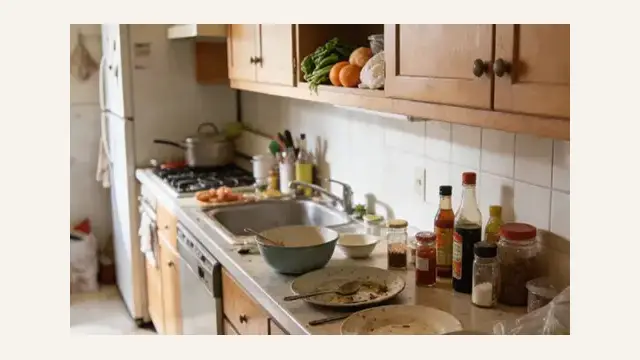
In traditional feng shui, the kitchen is often seen as the home's "wealth vault" because it represents food, nourishment, and abundance. Keeping this space clean and well cared for is believed to support a steady flow of positive energy.
Here are five things you should avoid keeping in your kitchen.
Best moves
A bowl represents your "rice bowl" - a traditional symbol of your livelihood and financial security. A cracked or damaged bowl may symbolically suggest instability at work or a leak in your finances. For practical reasons, chipped dishes can also be unsafe to use.
Step by step
How to Apply This Tip
Chipped or broken bowls
chipped or broken bowls.
A fish tank
a fish tank.
Dying or unhealthy plants
dying or unhealthy plants.
Moldy chopsticks or wooden utensils
moldy chopsticks or wooden utensils.
Worn-out or dirty dishcloths
worn-out or dirty dishcloths.
More Feng Shui Notes
In the Five Elements system, the kitchen represents Fire, while a fish tank represents Water. Placing the two too close together is believed to create conflicting energy. The heat, grease, and temperature changes in a kitchen also make it a less-than-ideal environment for fish.
Healthy herbs and plants are perfectly fine if they thrive in your kitchen. But wilted, dying, or neglected plants can make the space feel tired and stagnant. Remove them promptly or move them somewhere with better light and airflow.
Chopsticks are traditionally associated with food and abundance, so mold is seen as a symbol of bad luck affecting the household's prosperity. More importantly, moldy utensils can pose a real health risk and should be thrown away immediately.
Old, torn, or musty cleaning cloths can hold odors, grease, and bacteria. In feng shui, neglected items are also associated with stagnant energy. Replace them regularly to keep the kitchen feeling fresh, clean, and welcoming.
A clean kitchen doesn't just look better - it also creates a healthier and more uplifting space for the whole family.
